-
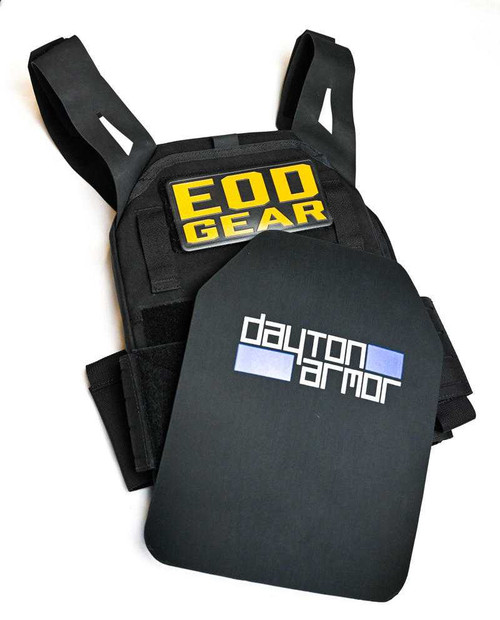
Dayton Armor
Ultra Lightweight Multi-Curve Rifle Plate Combination Level III ICW Rifle Plate
$717.00 - $992.00 -

-

-

-

-

-

-

-

-

-

-

What is considered police gear and what is it used for?
Police gear encompasses the equipment and protective systems law enforcement officers rely on to perform their duties safely and effectively. This includes body armor, plate carriers, helmets, shields, duty belts, pouches, bags, breaching tools, and specialized accessories. Police gear is designed to support a wide range of activities—from daily patrol and traffic enforcement to high-risk responses involving barricaded subjects or active threats. Unlike consumer equipment, police gear prioritizes reliability, durability, and compatibility with department-issued systems.
How is police gear different from military or SWAT gear?
Police gear is typically selected to balance protection, mobility, and practicality for domestic law enforcement missions. While military gear may be optimized for combat environments and SWAT gear for tactical operations, police gear must support extended wear, public interaction, and rapid transitions between routine and high-risk tasks. The emphasis is on adaptability and compliance with law enforcement standards rather than maximum armor or specialized combat capability.
What types of protective equipment are commonly included in police gear?
Protective elements commonly found in police gear include soft body armor, rifle plates when required, ballistic helmets, and ballistic shields for higher-risk situations. Additional protection may include eye and face protection, gloves, and load-bearing platforms that support radios, medical gear, and tools. Selection is typically guided by threat assessment, department policy, and the role of the officer or unit.
Why is compatibility important when selecting police gear?
Police gear must integrate with existing duty equipment such as radios, holsters, armor carriers, and vehicles. Incompatible gear can interfere with movement, communication, or access to critical tools. Proper compatibility ensures equipment remains secure, accessible, and functional throughout a shift or incident. Well-integrated gear reduces fatigue and distraction, allowing officers to focus on situational awareness and decision-making.
Who typically uses professional police gear?
Professional police gear is used by municipal police departments, sheriff’s offices, state agencies, federal law enforcement, and specialized units such as K-9 teams and task forces. Gear selection varies based on role, jurisdiction, and mission profile, but all users require equipment that meets professional standards and supports safe law enforcement operations.
How does EOD Gear support police gear selection?
EOD Gear is a GSA Contractor that supplies police gear and supporting equipment to agencies and qualified buyers, helping departments evaluate durability, fit, and system compatibility. Our approach emphasizes real-world usability and long-term reliability, ensuring police gear functions as part of a complete law enforcement equipment ecosystem rather than isolated components.