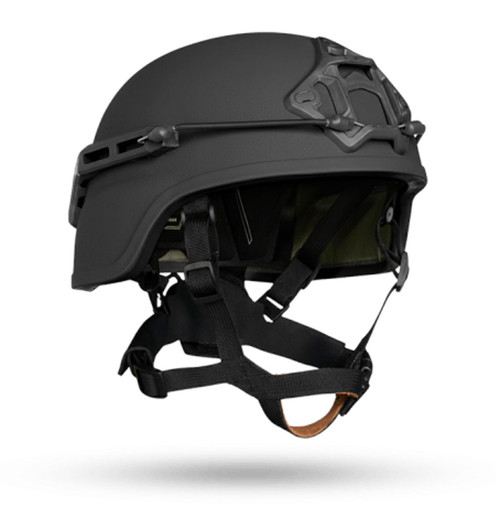
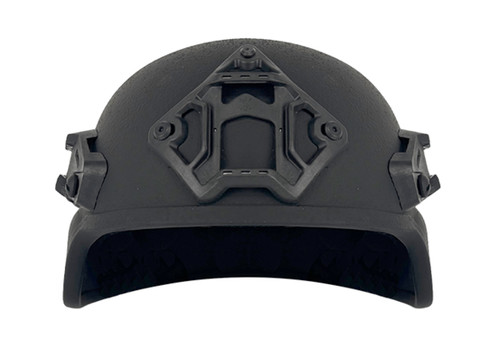
SWAT Ballistic Helmets

SWAT ballistic helmets are specialized protective systems designed for law enforcement tactical teams operating in high-risk environments, including barricaded suspects, warrant service, active threat response, and explosive hazards. Unlike general-purpose tactical helmets, SWAT ballistic helmets must balance ballistic protection, impact resistance, weight, and compatibility with communications, eye protection, and night vision equipment.

EOD Gear supports law enforcement and tactical units with mission-driven equipment selected for professional use. Our approach to SWAT ballistic helmets emphasizes certified ballistic performance, correct sizing, and system compatibility rather than appearance or trend-driven features — the same test-data-first approach behind our NIJ armor standards series.

SWAT Ballistic Helmets: Frequently Asked Questions

What threats does a SWAT ballistic helmet stop?

Most ballistic helmets are tested against handgun threats and fragmentation consistent with NIJ Level IIIA test methods. Rifle protection is a separate, heavier class — see rifle rated helmets. Note that NIJ does not operate an active certification program for helmets the way it does for body armor, so the manufacturer's test data is what matters — the same lesson we teach in our armor standards series: read the testing, not just the label.

High-cut or full-cut — which helmet style?

High-cut (above-the-ear) helmets free the ears for communications headsets and reduce weight — the dominant choice for tactical teams running comms. Full-cut styles trade that for more coverage. The right answer follows from your comms setup and mission profile, not fashion.

What accessories should the helmet support?

Side rails for lights and comms, a night vision shroud, and retention/pad systems that keep the helmet stable under NVG weight. Buying the helmet without thinking through the ecosystem is how teams end up drilling holes in ballistic shells — spec the full system up front.

Who can purchase SWAT ballistic helmets?

Law enforcement, military, and professional security buyers — individual officers and department-wide programs alike. We support sizing runs for team purchases so helmets fit the heads they're issued to.

How do agencies purchase ballistic helmets?

EOD Gear is a GSA Schedule contract holder — GS-07F-148GA — supporting GSA orders, purchase orders, and P-Card. Use the contact form for team quotes.

This page focuses on ballistic helmets intended for law enforcement SWAT teams and authorized professional use.


What is a SWAT ballistic helmet?

A SWAT ballistic helmet is a protective helmet designed specifically for law enforcement tactical operations. It provides ballistic and impact protection while supporting mission-critical accessories such as communications headsets, eye protection, and night vision devices.

How is a SWAT ballistic helmet different from a tactical helmet?
SWAT ballistic helmets are built to meet specific ballistic protection standards suitable for law enforcement threats. Tactical helmets may include non-ballistic or bump helmets designed for training or accessory mounting but do not always provide ballistic protection.


What ballistic rating do SWAT helmets typically have?
Most SWAT ballistic helmets are rated to NIJ Level IIIA, providing protection against common handgun threats. Specific ratings vary by helmet model and manufacturer and should always be verified before procurement or use.


Who uses SWAT ballistic helmets?
SWAT ballistic helmets are used by law enforcement tactical teams, bomb squads, and specialized response units during high-risk operations and training scenarios requiring head protection from ballistic and impact hazards.


Are SWAT ballistic helmets used in training as well as operations?
Yes. SWAT ballistic helmets are commonly used during training to ensure proper fit, equipment integration, and familiarity prior to operational deployment.


What should be considered when selecting a SWAT ballistic helmet?
Key considerations include ballistic rating, helmet fit and sizing, weight, compatibility with communications and night vision systems, and overall durability for repeated professional use.