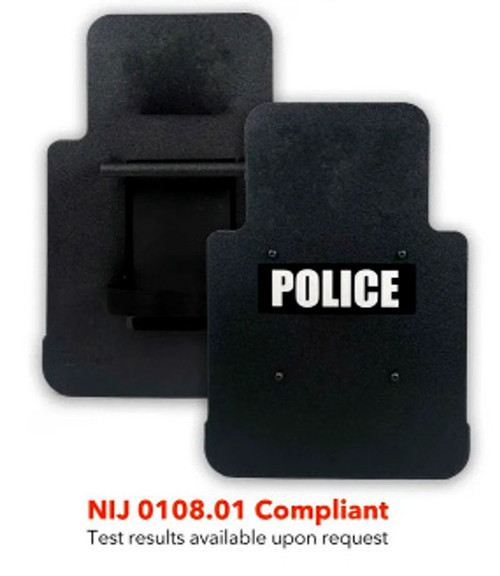
SWAT Shields

SWAT ballistic shields are protective systems designed to provide mobile ballistic and fragmentation protection for law enforcement tactical teams operating in high-risk environments. Common use cases include room entries, barricaded suspects, warrant service, active threat response, and explosive-related hazards.

Unlike general-purpose riot or training shields, SWAT ballistic shields are engineered to stop specific ballistic threats while maintaining maneuverability and visibility. Proper shield selection depends on ballistic rating, size, weight, viewport configuration, and compatibility with team movement and operational procedures — and understanding what the ratings actually mean starts with our NIJ levels guide.

SWAT Shields: Frequently Asked Questions

Pistol-rated or rifle-rated shield — which does my team need?

Handgun-rated shields (built to NIJ Level IIIA test methods) are lighter and faster to run — the workhorse for warrant service and entries where handgun threats dominate. Rifle-rated shields stop rifle fire but cost significant weight, which changes how long an officer can hold and move behind one. The honest answer is threat-driven, not spec-sheet-driven: what's coming through the door in your jurisdiction?

What matters in shield selection besides the rating?

Weight against your entry tempo, coverage area versus maneuverability in hallways and stairwells, viewport size and clarity, lighting integration, and handle/arm configuration for weapon presentation. A shield that's too heavy to hold at the moment of truth protects nobody — run candidates through your actual movement drills before the PO.

Do shield ratings work like body armor ratings?

The same NIJ test-method language applies — and so do the same limitations. Ratings reflect performance against defined threats at defined test conditions, not every shot at every angle. We wrote the guide on reading past the label: NIJ Certification Is a Baseline, Not a Guarantee.

Who uses SWAT ballistic shields?

Tactical teams, patrol supervisors staging shields for first response, School Resource Officers, corrections response teams, and protective details — and shields anchor most active shooter response kits.

How do agencies purchase SWAT shields?

EOD Gear is a GSA Schedule contract holder — GS-07F-148GA — supporting GSA orders, purchase orders, and P-Card. Use the contact form for quotes and selection help.

This page focuses on ballistic shields intended for law enforcement SWAT teams and authorized professional use.


What is a SWAT ballistic shield?
A SWAT ballistic shield is a portable protective barrier designed to provide ballistic and impact protection for law enforcement tactical teams during high-risk operations. It allows officers to advance or hold position while reducing exposure to ballistic threats.


How is a SWAT ballistic shield different from a riot shield?
SWAT ballistic shields are designed to stop ballistic threats and are typically rated to specific protection levels. Riot shields are generally intended for crowd control and impact protection and do not provide ballistic resistance.


What ballistic ratings are common for SWAT shields?
Most SWAT ballistic shields are rated to NIJ Level IIIA, offering protection against common handgun threats. Some shields are available with Level III Rifle protection including Multi-Hit.  There are some Level IV Ballistic Shields but due to their weight, make them difficult to deploy.  Consider your specific needs and tactics when looking at ballistic ratings, size and weight.


Who uses SWAT ballistic shields?
SWAT ballistic shields are used by law enforcement tactical teams, bomb squads, and specialized response units during operations involving armed suspects, explosive hazards, or confined environments.


Are SWAT shields used in training as well as operations?
Yes. SWAT ballistic shields are commonly used during training to practice team movement, shield positioning, and coordination prior to operational deployment.


What should be considered when selecting a SWAT ballistic shield?
Key considerations include your perceived threat, ballistic rating, shield size and coverage area, weight, viewport configuration, durability, and how the shield integrates into team tactics and movement.