


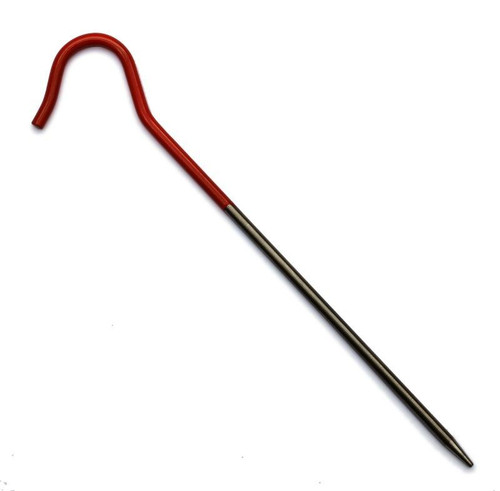


Mine Probes: Frequently Asked Questions
What is a mine probe?
A mine probe, also called a prodder, is a slender hand tool deminers and combat engineers use to locate buried mines and unexploded ordnance by feel. Probing complements metal detectors, especially against minimum-metal mines that detectors struggle to find, and remains a core tool in humanitarian demining worldwide.
How is a mine probe used?
Deminers probe the ground at a shallow angle, feeling for solid objects and carefully investigating contacts, following their organization's standard operating procedures and IMAS-based training. The probe indicates that something is there; positive identification and clearance are governed by the demining organization's procedures, not by the tool.
Why are mine probes made from non-magnetic materials?
Some fuzes are magnetically influenced, and steel near them adds risk. Non-magnetic probes in materials like titanium remove that variable, which is why demining programs and EOD units specify non-magnetic tools for probing and excavation work around suspect items.
What is the advantage of a titanium mine probe?
Titanium is non-magnetic, corrosion-proof, and far lighter than steel at comparable strength, which matters over a full day of clearance work in wet or abrasive soils. It holds up to field conditions that rust out steel tools, making it a long-service choice for demining programs.
Who uses mine probes?
Humanitarian demining organizations, military combat engineers, EOD technicians, and mine action programs. Probes are hand tools available to professional buyers, and organizations typically standardize one pattern across teams so training and drills transfer directly to the field.
Can EOD Gear supply demining programs and NGOs?
Yes. EOD Gear is GSA-authorized, ISO 9001:2015 certified, and ITAR registered, and supports quotes, purchase orders, and volume orders for mine action programs, NGOs, and military engineer units. Use the contact form on this site for program pricing and availability.