



What is a ballistic shield and what is it designed to protect against?
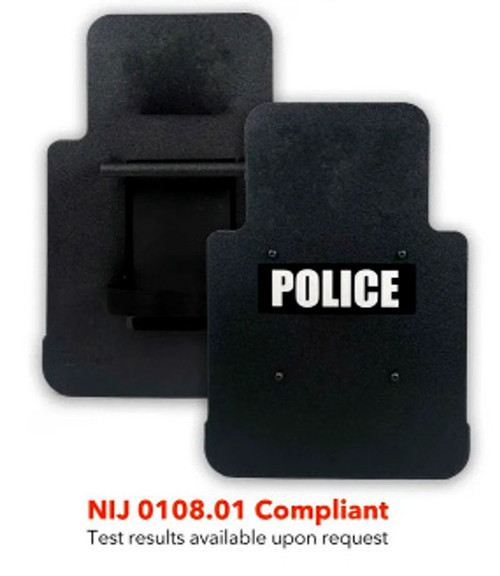
A ballistic shield is a portable protective barrier designed to stop ballistic threats and fragmentation while allowing the user to move and maintain visual awareness. Unlike fixed cover, a ballistic shield enables controlled advancement in environments such as hallways, stairwells, and doorways where permanent cover is unavailable. Shields are engineered to mitigate handgun threats at common ratings, with some models offering rifle-rated protection depending on mission needs and acceptable weight. The primary objective is to reduce exposure during approach and assessment while preserving the ability to observe and communicate. Effective shields balance protection, visibility, and ergonomics rather than relying on mass alone.
What ballistic protection levels are available for shields?
Ballistic shields are commonly available in NIJ Level IIIA for handgun threats and fragmentation, with select models offering rifle-rated protection for higher-risk applications. Higher ratings increase protection but also add weight and reduce endurance, which is why shield selection is a trade-off between threat profile and mobility. Agencies typically choose a protection level aligned with expected threats, operating environment, and team capabilities. Understanding these trade-offs ensures the shield enhances safety without becoming a liability during prolonged movement.
How do ballistic shields differ from body armor or ballistic helmets?
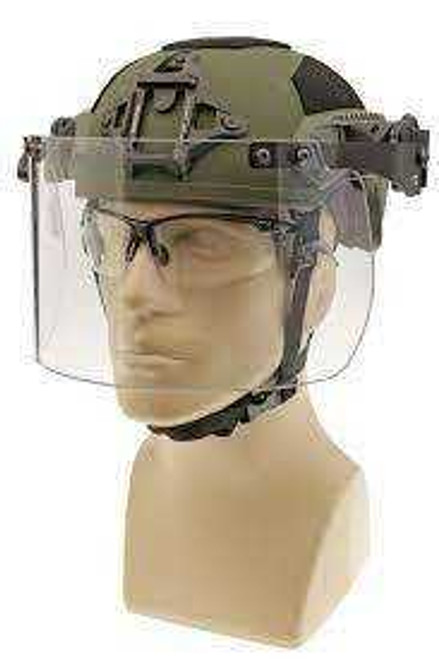
Ballistic shields provide directional, mobile cover rather than personal, worn protection. Body armor and helmets protect the wearer continuously, while a shield creates a movable protective surface that can be positioned to cover multiple team members during approach. Shields often include viewports or lighting options to maintain situational awareness, whereas armor relies on unobstructed vision and movement. In practice, shields complement—rather than replace—personal protective equipment as part of a layered protection strategy.
What features matter most when selecting a ballistic shield?
Key considerations include protection rating, weight distribution, handle and arm support design, viewport quality, and compatibility with lighting or accessories. Ergonomic design reduces fatigue and improves control during movement, while clear viewports and integrated lighting support visibility in low-light environments. Durability and balance are critical; a well-designed shield maintains stability without excessive strain. Selection should prioritize predictable performance under stress rather than maximum thickness or size.
Who typically uses ballistic shields?
Ballistic shields are primarily used by SWAT teams, patrol officers, tactical response units, and Bomb Squads operating in environments where mobile cover is required. They are deployed during high-risk responses that demand controlled movement and frontal protection. While availability varies by model and jurisdiction, most ballistic shields are intended for professional use by trained personnel.
How does EOD Gear support ballistic shield selection?
EOD Gear is a GSA contract holder and supplies NIJ-rated ballistic shields and related accessories to authorized agencies, helping teams evaluate protection levels, ergonomics, and integration with existing equipment. The emphasis is on matching shield capability to real-world operational needs rather than selecting equipment based solely on specifications.