-

-

-

-

-

-

-

-

-
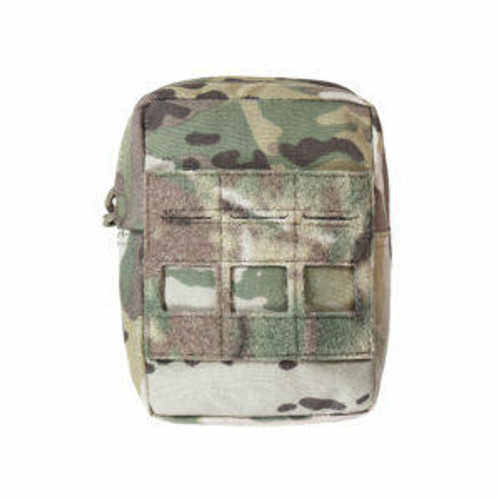
Warrior Assault Systems
Warrior Assault Laser Cut Small Vertical Utility Pouch
Was: $41.95On Sale $23.00 -

Warrior Assault Systems
Warrior Assault Systems Laser Cut Adjustable Radio Pouch
Was: $37.95On Sale $20.00 -

-

Warrior Assault Systems
Warrior Assault Systems Laser Cut Single Bungee Pistol Pouch
Was: $23.95On Sale $14.00
What is considered tactical gear and what is it used for?
Tactical gear refers to equipment designed to support protection, mobility, and equipment carriage in environments where reliability and durability are critical. This includes armor systems, plate carriers, helmets, load-bearing platforms, protective accessories, and mission-support equipment. Tactical gear is used in law enforcement operations, military activities, security roles, training environments, and preparedness contexts where standard consumer gear may not withstand operational demands. Unlike casual outdoor equipment, tactical gear is built to handle abrasion, weight, repeated use, and integration with protective systems.
How is tactical gear different from standard outdoor or work gear?
Tactical gear is engineered specifically for high-stress, high-risk environments where failure can have serious consequences. While outdoor or work gear may focus on comfort or convenience, tactical gear prioritizes durability, load management, and compatibility with protective equipment. Stitching, materials, and attachment systems are designed to support armor, tools, and accessories without shifting or failing. Tactical gear is also built with scalability in mind, allowing users to adapt equipment based on role, environment, and operational requirements.
What types of equipment fall under tactical gear?
Tactical gear includes a wide range of equipment such as plate carriers, body armor, ballistic helmets, load-bearing vests, pouches, packs, belts, gloves, protective eyewear, and accessories that support communication and medical needs. These components are intended to work together as a system, allowing users to carry essential equipment securely while maintaining mobility. Selection typically depends on mission profile, duration of use, and threat environment rather than aesthetics or minimal weight alone.
Why is fit and compatibility important in tactical gear?
Proper fit and compatibility are critical for comfort, safety, and performance. Ill-fitting tactical gear can restrict movement, cause fatigue, and reduce protective coverage. Equipment must align correctly with armor plates, helmets, and load-bearing systems to function as intended. Compatibility across components—such as belts, carriers, and pouches—ensures gear remains secure and accessible during movement. Well-fitted tactical gear supports endurance and reduces distraction in demanding conditions.
Who typically uses tactical gear?
Tactical gear is commonly used by law enforcement officers, SWAT teams, military personnel, security professionals, first responders, and trained civilians operating in regulated or preparedness-focused environments. While availability varies by product type and jurisdiction, tactical gear is widely used beyond military contexts, provided it is selected responsibly and used in accordance with applicable laws and training standards.
How does EOD Gear support tactical gear selection?
EOD Gear supplies tactical gear and supporting equipment to agencies and qualified users, helping customers evaluate fit, durability, and system compatibility across armor, helmets, and load-bearing platforms. Our approach emphasizes real-world usability and integration, ensuring tactical gear performs reliably as part of a complete protective and operational system.