-

Chase
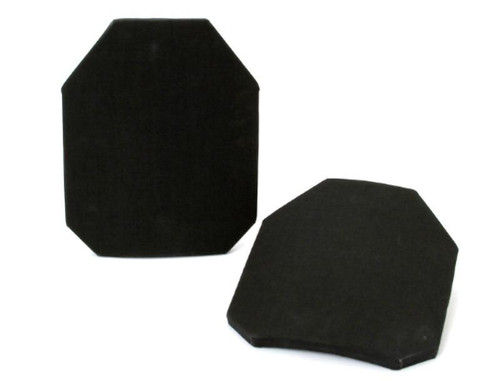
AR1000 Level III+ Stand Alone Rifle Armor Plate NIJ 0101.06 Certified
Was: $188.95On Sale $79.95 -

-

-

-

-
-

-

-

-

-

-

What armor protection levels do SWAT teams rely on?
SWAT units typically deploy NIJ Certified Level III or Level IV rifle-rated plates depending on regional threats and mission profile. Lightweight, multi-curve plates improve endurance and reduce operator fatigue during prolonged operations — especially when combined with modular load-bearing carriers for mags, breaching aids, and comms.
Why do agencies prefer lightweight armor over steel or ceramic?
Modern polymer composites and hybrid materials deliver multi-hit rifle protection without the excessive weight, spalling, or bulk of legacy steel and early ceramic systems. Lighter plates reduce long-term neck/back injuries and improve speed, mobility, and operational tempo — critical in dynamic entry and hostage rescue missions.
What should procurement teams consider when selecting SWAT armor?
Evaluation should focus on:
NIJ Certification (current ballistic standard)
Threat alignment (M855/7.62 AP considerations)
Fit and curvature (torso coverage + mobility)
Load integration with comms, mags, med, breaching tools
Warranty duration and sustainment plan
EOD Gear supports GSA-authorized and ITAR-compliant procurement with ISO-certified custom kitting for full-team uniformity.
How does armor weight impact tactical performance?
Every pound saved increases:
Climbing and breaching speed
Stability during weapon presentation
Endurance under PPE and night operations
Overall survivability
Lightweight rifle plates allow operators to move faster, longer, and safer during real-world missions.